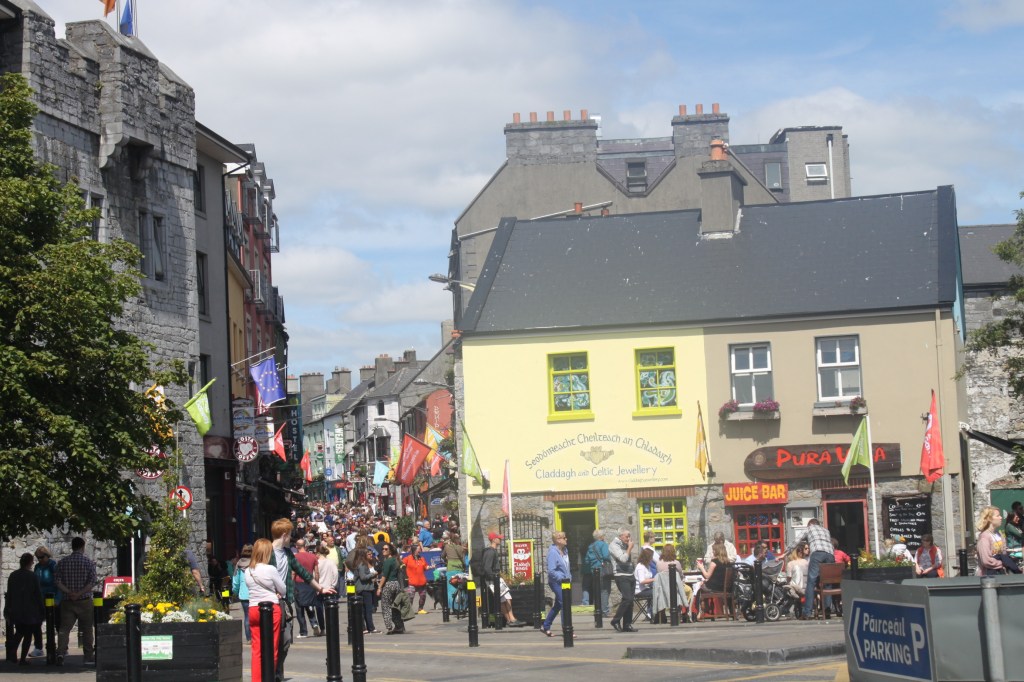
I woke up this morning to the sound of noisy bird twitter and wondered where in Ireland I was — Dublin, Galway, Cliffden, Connemara, Mohill, perhaps Sligo. It took a few seconds to realize that I was back home and the Irish experience was now but a memory. Ireland casts a spell on visitors. It’s not just the spectacular scenery, lush green pastures dotted with grazing sheep, picturesque little seaside villages, walled gardens, beautiful lakes, ancient trees, historical buildings and savage mountains that charm and impress people. The warmth and cheerfulness of the people, their friendliness, their celebrated literary heritage, their myths, folklore and traditions all make for a rich experience.
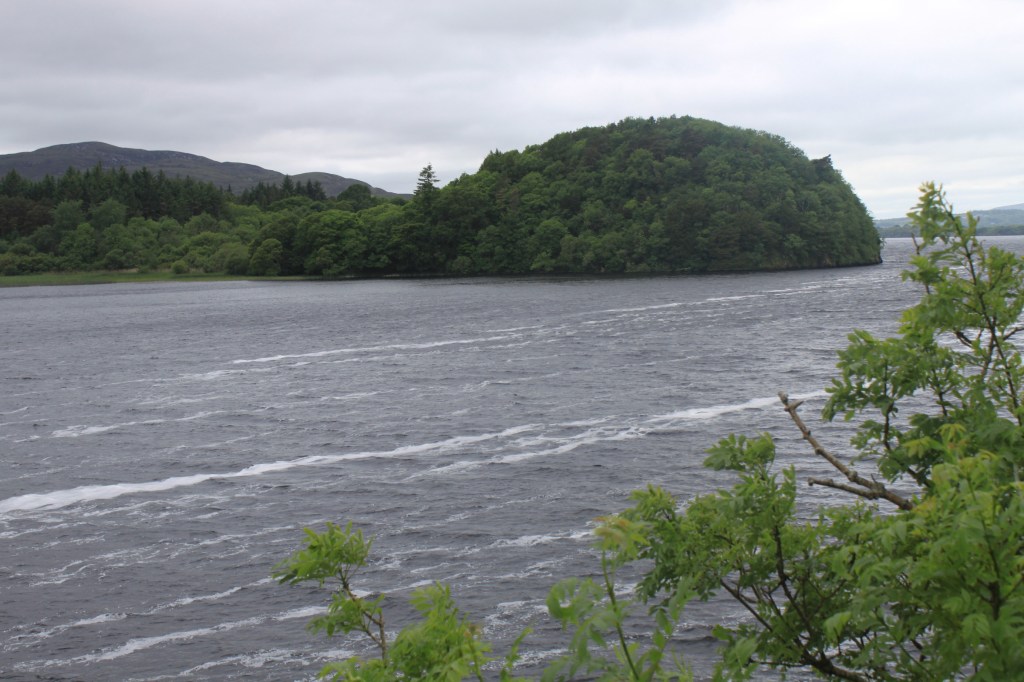
We brought a book of William Butler Yeats’s poems with us on this trip and re-read it as we travelled through northwest Ireland in County Sligo. This is Yeats country. He named perhaps his most famous poem “The Lake Isle of Innisfree” after an island in an actual lake – Lough Gill, which we drove around.
I WILL arise and go now, and go to Innisfree,
And a small cabin build there, of clay and wattles made:
Nine bean-rows will I have there, a hive for the honeybee,
And live alone in the bee-loud glade.
And I shall have some peace there, for peace comes dropping slow,
Dropping from the veils of the morning to where the cricket sings;
There midnight’s all a glimmer, and noon a purple glow,
And evening full of the linnet’s wings.
I will arise and go now, for always night and day
I hear lake water lapping with low sounds by the shore;
While I stand on the roadway, or on the pavements grey,
I hear it in the deep heart’s core.
—
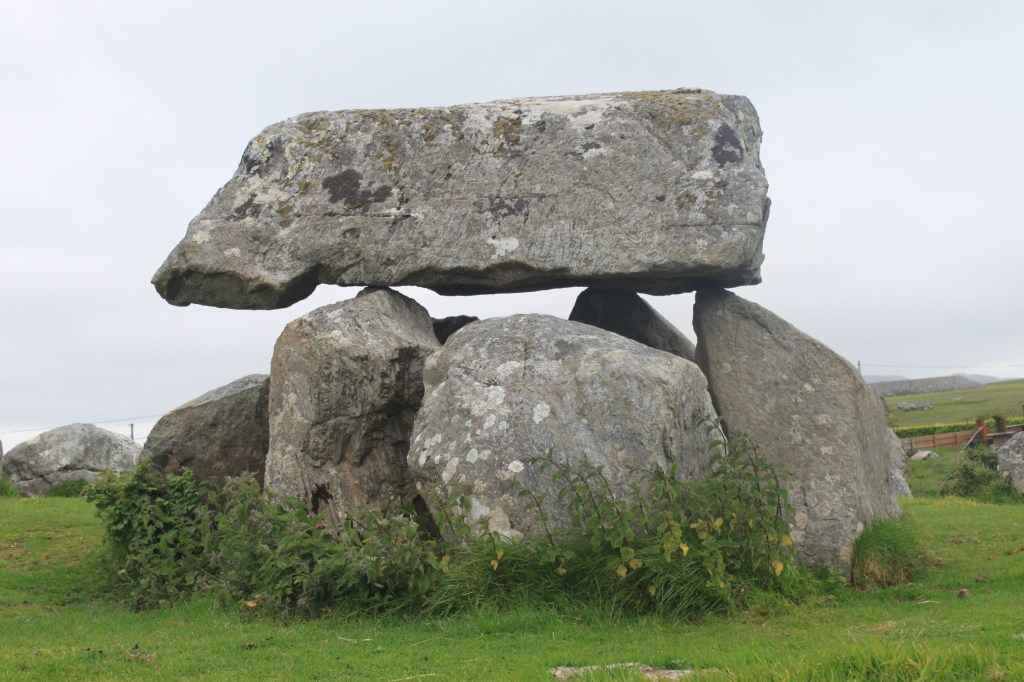
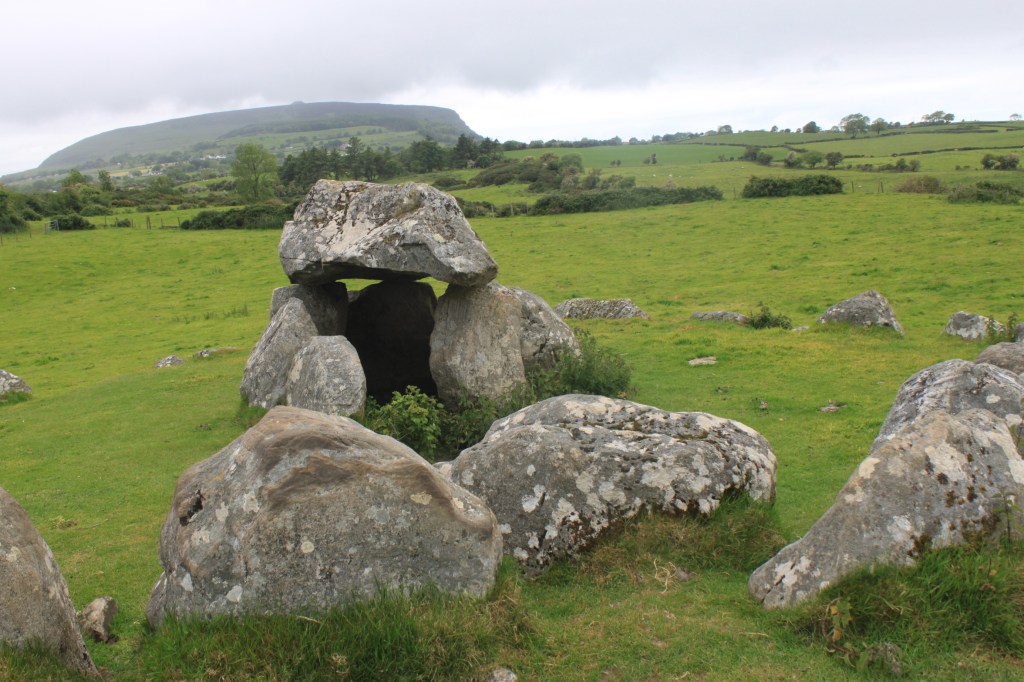
Searching for balance, as we all do in life. Also in the vicinity of Sligo is a most unusual historic site and one of the great sacred landscapes of the ancient world — the Carrowmore Megalithic Cemetery. The main tomb is estimated to be over 7,400 years old. This free standing stone architecture is the earliest known example of its kind in the world.
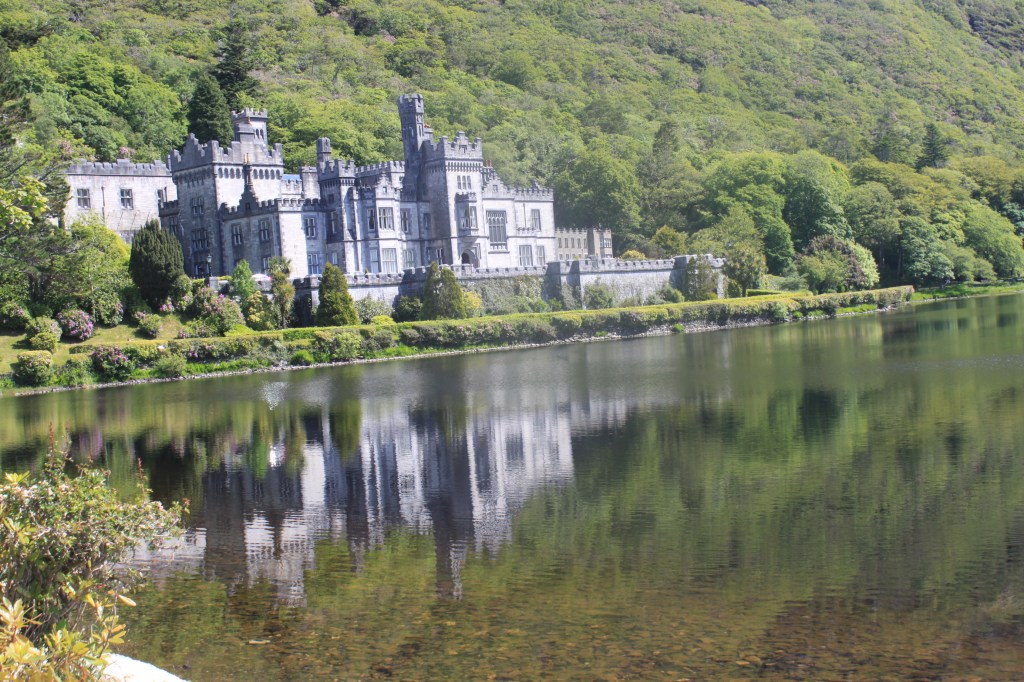
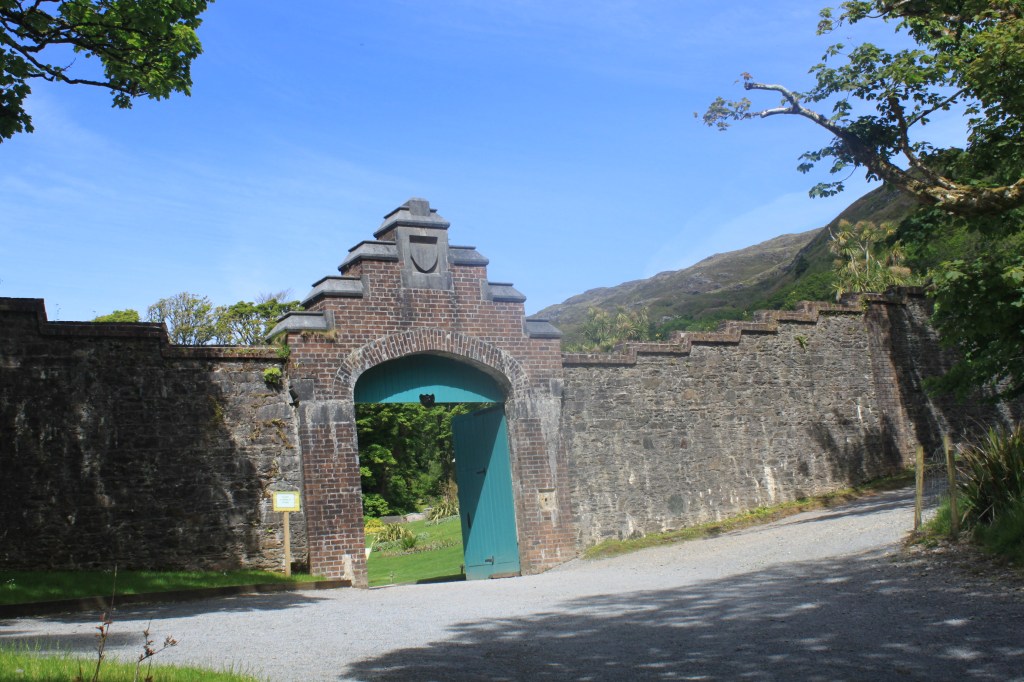
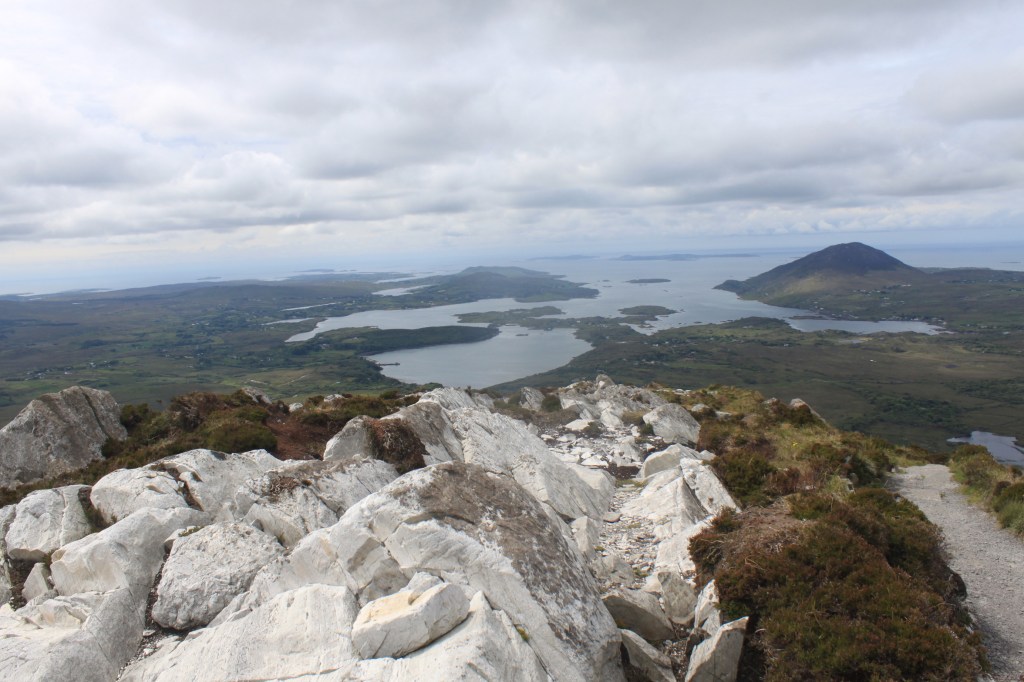
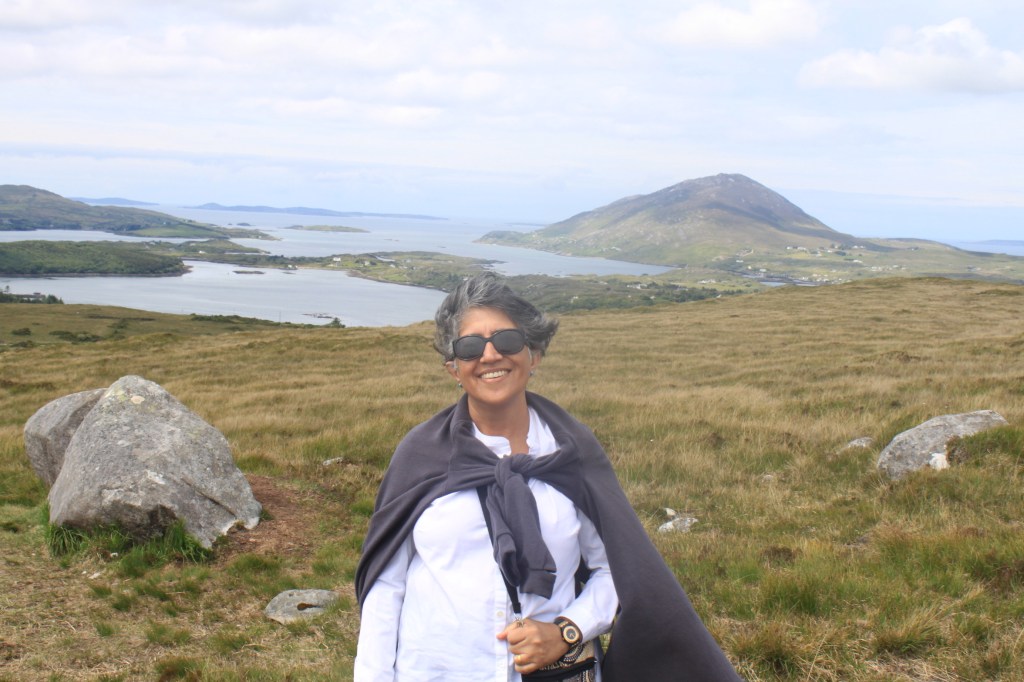
The most strenuous part of our trip was a hike up 1,500 feet to the summit of Diamond Hill in the Connemara National Park. I was surprised that I could do it and it will always be a highlight for me. From the mountain heights we could see Kylemore Abbey and its Victorian Walled Gardens. The Abbey was built in the 1850s by Mitchell Henry, a doctor, tycoon and pioneer, for his wife Margaret, who fell in love with Connemara when they first visited the area during their honeymoon. Once just wild scrub, the Kylemore estate was transformed into a place of great beauty amid the rugged wilderness. Over the years, the estate passed through various owners. King Edward the VII visited Kylemore in 1903 and was reportedly interested in buying the property, but decided in the end that it was too expensive to maintain. Kylemore Abbey is now run by Benedictine nuns and is a popular stop for tourists. The walled gardens are magnificent.






 Naseem's Blog
Leave a comment