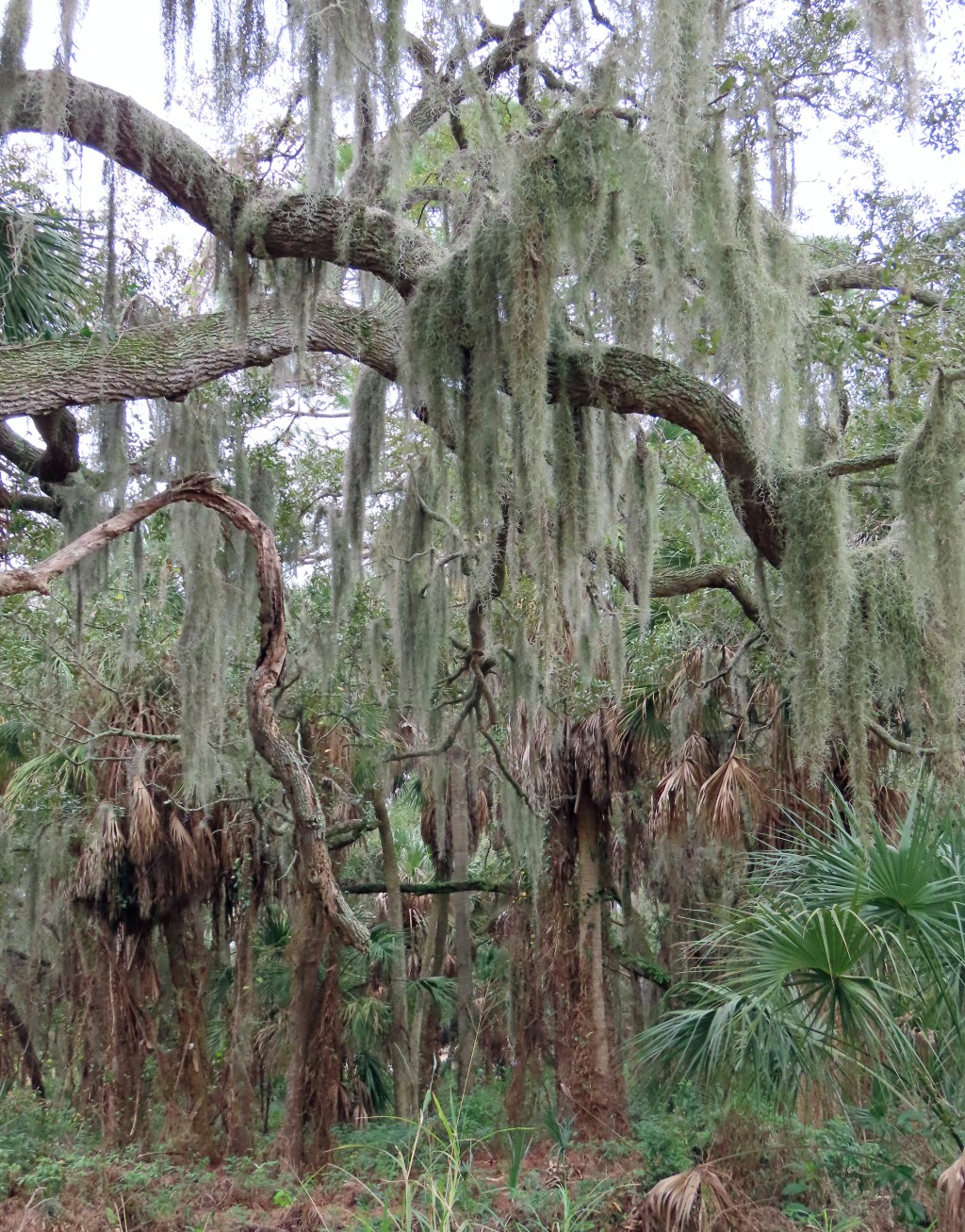
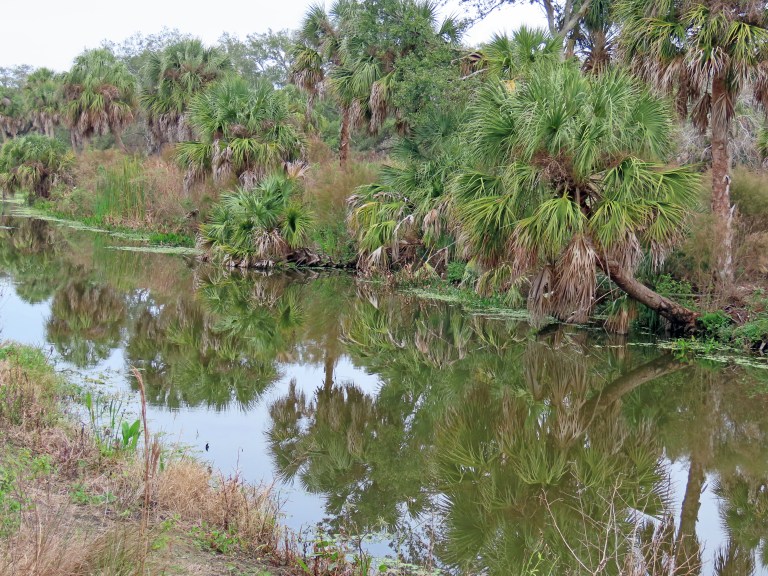
A recent environmental hike in a nature preserve just ten minutes from where we live in the winter, turned out to be not just educational but purposeful as well. The place we ventured to is named Red Bug Slough (pronounced sloo). A slough is basically a slow-moving shallow drainage system. Our walk took us through this 72- acre preserve of pine flatwoods, a small basin swamp and the channel called Red Bug Slough. A slice of old Florida nestled right in the middle of suburban Sarasota, a small city in Southwest Florida.
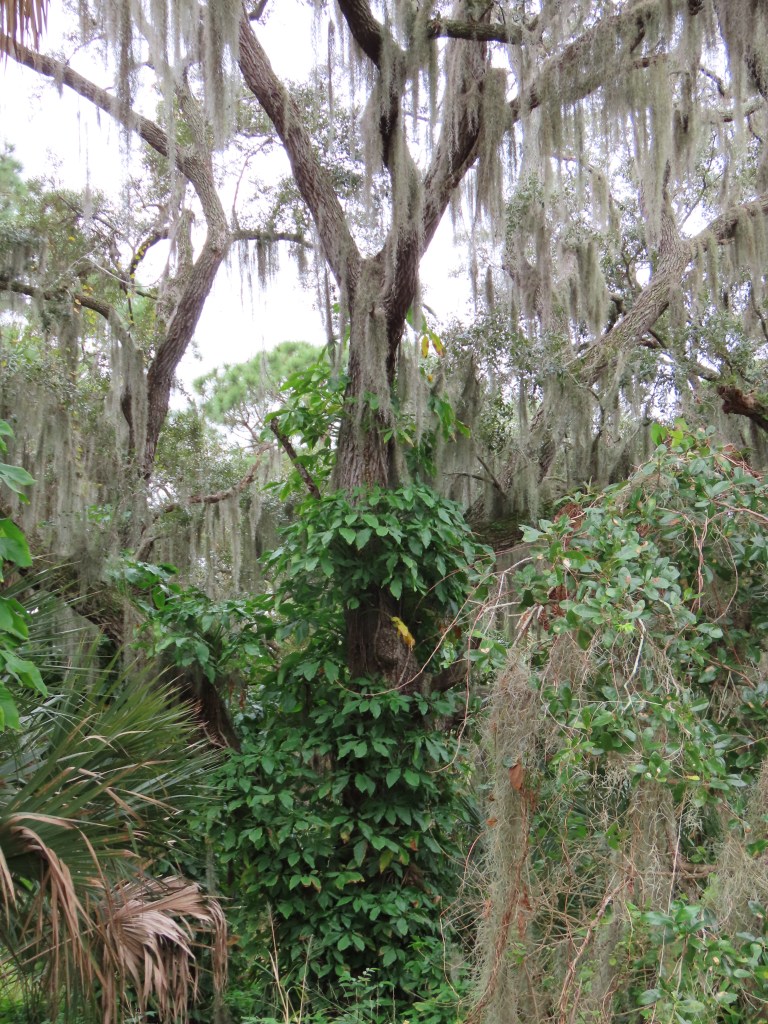
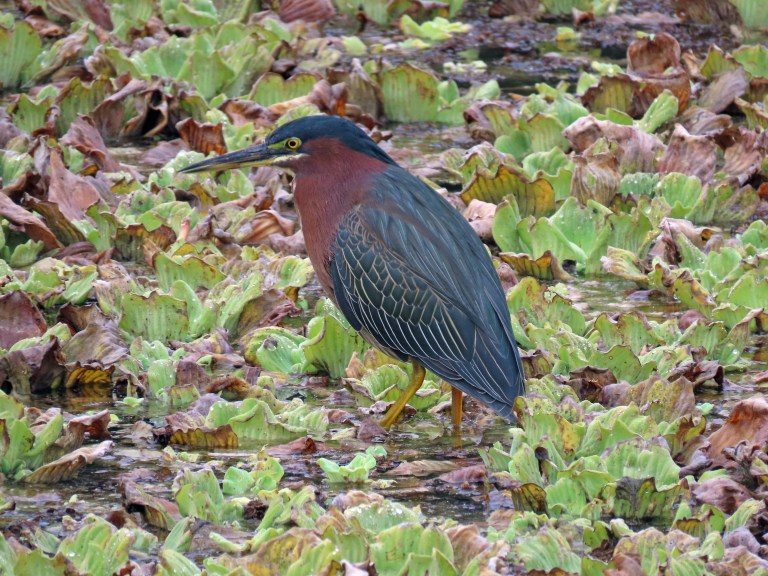
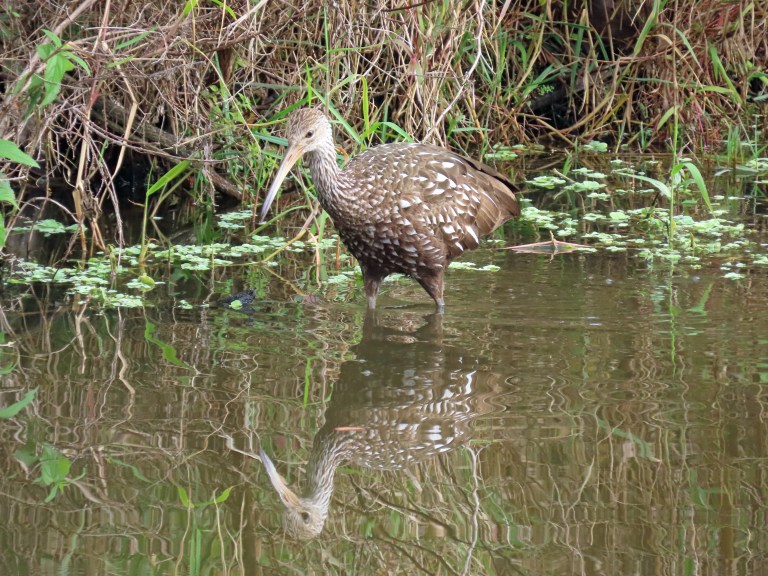
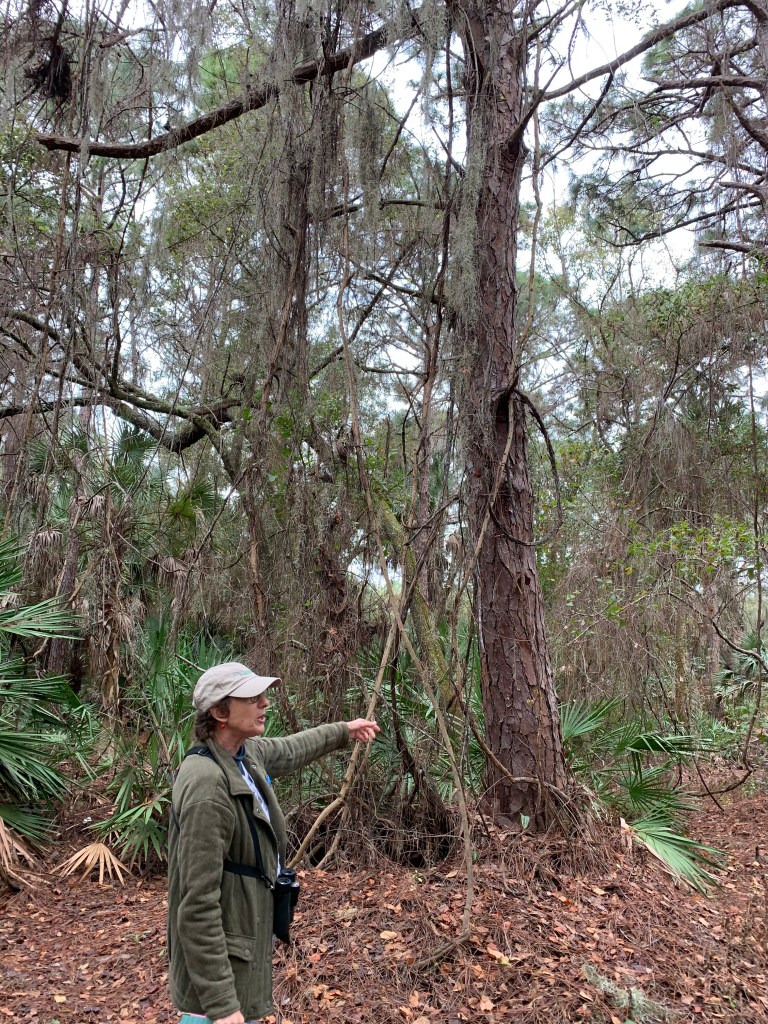
There were no red bugs there and the origin of the name has been attributed to a tiny mite commonly found in dry open areas and possibly to the red dragonflies by the water’s edge. There were plenty of birds – Storks, Ibises, Anhingas, green and blue Herons, Limpkins, Waterfowl, Osprey and Hawks. However, the purpose of this hike organized by the Sarasota Audubon Society, was to raise environmental awareness and to discuss the effect that sea level rise is having on this area. A biologist from the society pointed out all the invasive plants growing in the preserve and there were quite a few notably the Air Potato, a vine from the tropics that is disrupting native trees and undergrowth. There are no native insects or diseases to keep its growth in check. Climate conditions are allowing such invasive species to invade native habitats. Invasive species cost Floridians more than $500 million each year. More importantly, invasive species are one of the leading causes of extinction. Learning to identify the invaders is the first step in controlling them. Native plants are always desirable because they conserve water, prevent erosion and create wildlife communities.
Climate change results from global warming and has so many dire consequences. We can watch as the glaciers melt, as more potent hurricanes lash our cities and towns and worsening droughts and elevated sea levels scourge our planet. But inaction will only further threaten our way of life. We need to understand what is happening and to take action to diminish the damage caused by the burning of fossil fuels. Listen to the scientists. Stay hopeful, get educated and spread the word. Make a simple start by using less plastics. Take reusable grocery bags to the store. Plant more native trees, compost. Talk to politicians at all levels and join and support environmental groups. These are just some suggestions. Wherever you live and no matter what you do, we are all in this together and we must resolve this.


 Naseem's Blog
Leave a comment